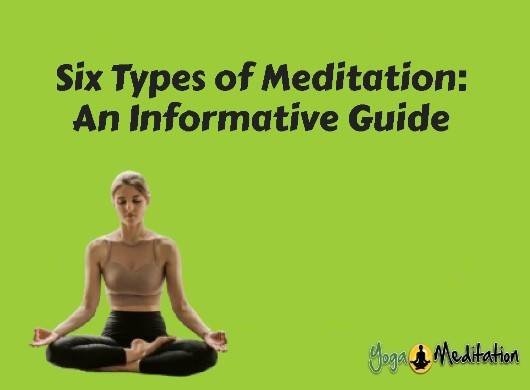
Meditation, it involves various meanings and practices to help one be more aware, relaxed, and at peace with oneself. In fact, there are several styles that one can adapt to, so a person can surely find the most fitting for his preference and purpose. In this manual, you will encounter six various forms of meditation that have characteristics and probable benefits.
1. Breath Watching
The observing of your breathing is one of the most available kinds of meditation. You should pay all your attention to the process of breathing for some minutes. It is possible to take any comfortable position according to this technique- to sit crossed-legged or to lie down. Close your eyes, bringing your consciousness to the rhythm of the breathing. Breathing through the nose means diaphragmatic breathing, allowing oxygen right into the very depth of the lungs. As naturally occurring thoughts disturb you, set them aside and place your attention back at the point of the nostrils where the air is moving in and out. In time, as you get used to this, you are able to prolong the time you meditate.
2. Empty Mind Meditation
Another meditation style is meant to result in mental stillness, sometimes called “empty mind meditation.” The focus is upon developing awareness without object-just allowing thoughts to float away without any resistance. Practitioners also tend to assume a still and stable posture, often in a “full lotus” position or crossed-legged. The main point, however, is to let the mind naturally quiet itself. However, to most people, this is a bit difficult because the concerted effort tends to heighten the mental chatter instead of lessening it. With continued practice, they can master the art of sorting through their mindsets and allowing more profound states of feeling-peace-into their lives.
3. Walking Meditations
Those who like the presence of dynamism during meditation may want to try walking meditations. This can be done inside by pacing or outside in a quiet area. First, become aware of the feelings in your legs and the rise and fall of the breath as you walk. Note the sensation of your foot touching the ground each time. If your mind starts to wander, gently bring your attention back to walking and breathing. Whenever you are meditating outside, find a quiet area with level ground to limit the distractions that may send your meditation completely off.
4. Mindfulness Meditation
Mindfulness meditation is a type of meditation also known as vipassana or insight meditation in Buddhist terminology; it is supposed to develop one’s awareness regarding the present more fully. People practice this meditation through observation of what at any instant is transpiring around them and within themselves. Most people start with the awareness of the breath and then gradually expand their awareness to thoughts, sensations in the body, and the sensory perceptions of the sights and sounds around them. The observation of these perceptions without judgment or analysis is the basic tenet of mindfulness meditation, allowing for a better understandings of the self in terms of mental and emotional abilities.
5. Basic Mantra Meditation
The meditation of mantra is helpful for those who have difficult focusing during meditation. A certain word or phrase-what is called a mantra-is repeated during the entire meditation process. In most cases, the mantra is given by an advanced practitioner or teacher in most of the traditions. However, if you’re meditating on your own, then you can have any term or phrase that you feel comfortable with. You may repeat this mantra to yourself inside your mind or out loud; this shall aid in arresting the wandering thoughts and help you concentrate better while meditating.
6. Concept Meditation
Other meditations require the contemplation of specific concepts or scenarios. One example is the “meditation on impermanence,” where one is called to reflect that everything in life, even all thoughts and emotions, are temporary. With this kind of meditation, more insight about the reality of change is fostered, and acceptance and resilience build up. The second, somewhat gruesome, meditative practice in Buddhist traditions involves an exercise in contemplation called “meditation on the corpse,” where a decaying body is vividly imagined as being consumed by nature. The purpose of the latter technique is to lead practitioners toward a deep realization of death and the impermanence of life, thus allowing participants to confront areas of existence that the rational mind cannot easily acknowledge.
Conclusion
In addition to those six meditation types, there are hundreds of other meditation types that anyone can research and/or study, including “loving-kindness meditation” and “object meditation.” The tools of today include such innovations as brain wave entrainment products to achieve your meditation objectives. Each style of meditation has its own benefits and outcomes, so you may find at times in your life you lean toward one style or another based on what is happening in your life and your intentions. Ultimately, the process of finding what basically works for you in meditation will be personal and rewarding, as it opens doors to greater self-awareness, relaxation, and emotional well-being.