
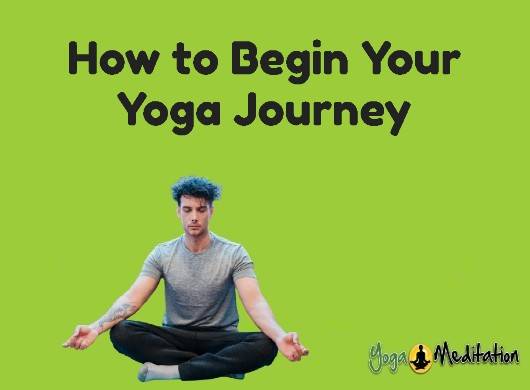
Starting a yoga practice can be a life-changing experience that will enrich your physical well-being and your mental and emotional health. To start practicing yoga, you need proper materials and an instructor. You can get helpful yoga recordings or instructional videos with breathing techniques and relaxation practices from health food stores, bookstores, or online.
While it may be fine to learn the basics of breathing and how to relax from these resources, it is important not to practice the yoga postures independently without guidance from a competent teacher. Indeed, a qualified instructor will offer personalized corrections, give you safety precautions, and help in modifying poses according to your needs.
First and foremost, finding a good yoga teacher for your safe and effective practice is the key. It is well worth taking some time to explore your options and find a teacher that best fits your needs. If you have specific health concerns, such as diabetes, consult your diabetes nurse educator or other healthcare professionals for suggestions on yoga instructors. Much as you would seek referrals for any professional service, getting recommendations can point you in the direction of a qualified, compatible yoga teacher.
When looking for a yoga teacher, this is a good question to ask: are they certified? Although by law no type of certification is required to teach yoga, many have indeed completed some form of training in which their teaching competencies have been established. Certification does not ensure a better instructor, but it is a good guideline from which you may base your search.
Benefits of yoga include fun, improved health, and the enhancement of serenity. A practice honed over thousands of years has the capacity to make one feel wise and serene. Generally speaking, yoga is safe for most people, but even small progress in practice can produce a growing sense of freedom and ease.
For individuals with diabetes, it is important to note that, although most individuals with diabetes can safely participate in exercises, including yoga, there are indeed risks associated with physical activity. Several precautions can be considered before starting your exercise program to establish a positive benefit-to-risk ratio.
Of course, the first thing anyone should do when starting a new exercise program is to get checked out thoroughly by a physician. This is not just a general check-up but also an exercise check-up with EKG monitoring, especially in people with certain risk factors such as cardiovascular disease, age over 35 years, hypertension, hyperlipidemia, use of tobacco, or family medical history of heart disease. A check-up like this can give attention to any possible risks that might appear.
Moreover, it is necessary to share unusual symptoms with your caregiver when those are connected with exercising or just after exercising. It is not necessary to ignore symptoms like pain or discomfort in the chest, neck, jaw, or arms; nausea; vertigo; fainting; extreme shortness of breath; or transient changes in vision, and these need to be brought to the attention of your doctor.
If you have developed any of the complications of diabetes, it becomes even more important to discuss any extra precautions with your healthcare team. This is particularly useful as you get started with an exercise program that is medically supervised, especially in cases where you may have one or more of the following problems : peripheral vascular disease, retinopathy, autonomic neuropathy, or kidney problems.
A major key to safely practicing yoga, and for that matter, any form of exercise, involves learning the prevention and management of low blood glucose, a condition known as hypoglycemia. If you are taking oral medications or insulin, it is important that you monitor your blood glucose levels before, during, and after your yoga exercises. It will help you to keep your levels stable and perform comfortably without putting your health in danger.
Those with Type I diabetes have an especially critical need for maintaining tight blood glucose control. If you are experiencing a blood glucose over 250 milligrams per deciliter, then you will want to check for ketones in your urine. If there are ketones present, it is important that you abstain from exercise because the risk of ketoacidosis and its dangerous complications-an even coma-are increased with physical activity.
Also, make sure to fit in a suitable warm-up and cool-down during every yoga session. The warm-ups get your body ready for the incoming physical activity, while cool-downs help your heart rate to gradually slow down and your body recover from the exercise one is undergoing.
Lastly, note the weather conditions that will make you want to go out and practice some exercises. It is important to try not to exercise outside when highly hot and humid or extremely cold, for all these factors introduce other risks.
It, therefore, calls for a setting that involves having the right equipment, taking necessary precautions, and a qualified instructor in your yoga class in order to make the whole experience worthwhile and constructively contribute to your general well-being.