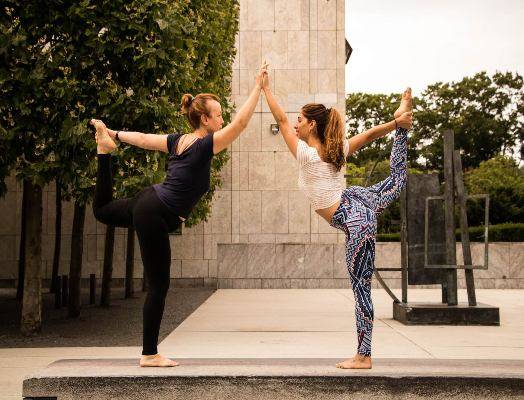
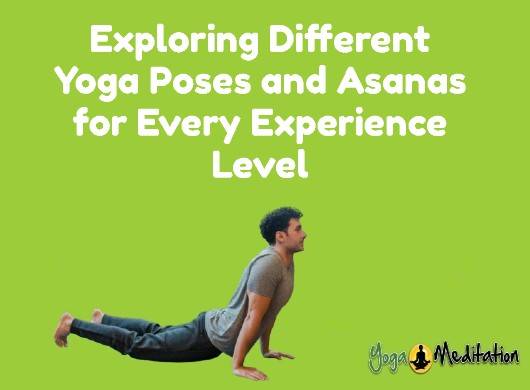
Yoga is an ancient practice, having a variety of styles targeted to meet different needs, preferences, and circumstances. These many styles mostly fall under two broad categories: therapeutic and meditative. Each of these categories boasts hundreds of Asanas-specific postures or positions-which help contribute positively to physical and mental well-being.
At the center of Yoga is the concept of chakras, or points of energy within the body, that are key factors in determining one’s health status. Traditional Yoga incorporates the five ‘prayer’ positions with associated yoga postures that target these seven chakras to enhance the flow of energy throughout the body. Other forms of Yoga and specific Asanas may place their primary focus on other chakras by associating respiration and movement with those chakras. Ironically, the physical postures that characterize modern Yoga in the West were initially intended as merely preparatory steps toward deeper states of meditation.
The postures, or Asanas, may seem cumbersome or even difficult for the Yoga beginner; it is important, though, to note that the basic Asanas are designed to reinforce strength and elasticity within the body. It is in the development of these physical qualities that the practitioner will find it easier to enter into and sustain the Asanas. The deep and sustained stretching involved in yoga can bring considerable relief for injuries such as trauma disorders, tendonitis, carpal tunnel syndrome, tennis elbow, among other complaints.
While it may be beneficial to learn about the philosophical foundations and theoretical structures of Yoga, neither is it a requirement to practice nor receive the benefits from it. A little background will help the individual to feel more confident and competent while executing the postures, but again, the benefits of Yoga many times depend on one’s acceptance of the practice itself. If they cannot release and relax into the postures, then students will not be able to gain from all that Yoga has to offer.
There is a very prevalent belief among individuals that Yoga is only for the most flexible people, who can bend and twist their bodies into the most complex and detailed postures. Others think that students must chant with every session of Yoga. Neither of these is accurate. In practice, the majority of Yoga asanas are actually quite accessible, since most have modifications of depth that will allow even beginners to work constructively in them. Thus, a beginner can come into a pose and receive a great deal of value in it, just as an experienced practitioner can, through many years of practice.
As with any form of exercise, however, novices should avoid trying to practice advanced postures that clearly are beyond their level of experience. Just like a novice jogger wouldn’t dream of running with seasoned marathoners on his first day out, neither should a Yoga beginner aspire to instantly excel in complex Asanas. Lastly, those with special conditions, such as expectant mothers, injured people, or anyone with chronic illnesses, which involve lingering back pains, should consult with the Yoga instructor beforehand before stepping into the classroom. Certain movements, like twists, may exacerbate a pre-existing back condition.
Yoga is practiced most effectively in a comfortable environment; the muscles stretch more efficiently when warm. The important discipline of moving slowly into and out of each posture minimizes the opportunity for injury as well as maintains the holistic concept of Yoga with regard to smooth motion. Beginners should also be careful not to hold the postures longer than naturally comfortable. In due course of time, though, one gets used to holding such postures for longer lengths of time with fewer problems.
When practiced accurately, the list of benefits of doing Yoga is endless. Often, repetition of the correct Asanas lubricates joints, ligaments, and tendons, a fact very useful to humans in general in ensuring that the movements are continuous without causing damage to the individual. Other major benefits include an improved posture, along with an enhanced feeling of well-being. Yoga also addresses more profound spiritual aspects, since it has its own philosophy and moral code. Each time individuals practice their stretches and breaths, they are connected on a deeper level with this more general spiritual perspective.
Finally, yoga is a multifaceted process that can bring novelty to physical health, sharpen the mind, and add spiritual connections. Its range of asanas combined with knowledge of chakras presents ways in which a practitioner can improve. By embracing the journey of yoga-from the basic postures to the more advanced practice-one allows personal growth to come forth and deepens the whole experience of yoga. From flexibility to strength, and even to a deeper spiritual level, Yoga can offer something worthwhile on any chosen level.