For countless years, individuals have actually been practicing yoga, which has actually turned into various kinds and branches. The conventional yoga system is divided into 6 branches, each with its own special focus and method. These branches consist of Hatha, Raja, Karma, Bhakti, Jnana, and Tantra yoga. While Hatha yoga is the most popular kind in Western nations, it is necessary to acknowledge the worth and significance of the other branches in order to totally comprehend and accept yoga.
This post will check out the varied and intricate nature of these 6 branches and how they can improve your understanding and practice of this ancient art. By accepting the variety of these branches, you can develop a much deeper connection with your mind, body, and spirit, eventually causing a more well balanced and satisfying life.
Let’s check the practices of Hatha, Raja, Karma, Bhakti, Jnana, and Tantra yoga, and find the depth and appeal within each branch.
Hatha
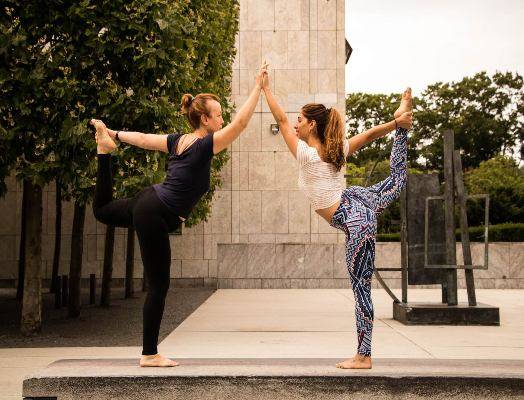
Hatha Yoga, an extensively practiced type of Yoga, concentrates on the physique and its capability to house the soul. Through a mix of physical postures, breathing workouts, and meditation, Hatha Yoga intends to bring the body to a state of optimum health, enabling the more subtle elements of the mind to grow. This practice looks for to join the body and soul, eventually leading to an unified and lively presence.
Bhakti
Bhakti Yoga, likewise called the Yoga of dedication, is a spiritual course focused around the heart and love. Professionals of Bhakti Yoga acknowledge the existence of the Divine in all beings and elements of life, which cultivates the development of love, approval, and tolerance. Through dedication to life and love, Bhakti Yoga guides people to cultivate a deep connection and respect for God and all things.
Raja
Raja Yoga, likewise referred to as the “royal course,” highlights meditation and consideration as its main practices. It is grounded in the Eight Limbs of Yoga, as detailed in the Yoga Sutra. This course motivates extensive pride through the growing of self-mastery. The person is concerned with fantastic esteem, and deep space is viewed as serving the self, producing a sense of midpoint that causes both pride and regard for all living beings. Raja Yoga is frequently described as the “King of Yogas,” and a number of its professionals reside in spiritual or religious communities.
Jnana
Jnana Yoga is a philosophical method to Yoga that stresses using factor, knowledge, and intellectual discernment to go beyond the restrictions of the mind. It acknowledges the significance of human intelligence and looks for to balance the intelligence and knowledge to attain a much deeper understanding of presence. By welcoming a non-dogmatic and inclusive technique, Jnana Yoga intends to exceed the boundaries of teaching and spiritual disagreements, and rather, promotes an unbiased and curious mindset towards the research study of the spiritual world.
Karma
The viewpoint of Karma Yoga presumes that your present scenarios are the outcome of your previous habits. Karma Yoga is a lifestyle focused around generous actions and the energy they create. This course requires acting without individual gain. Taking part in generous acts is the essential concept of Karma Yoga, as it includes making mindful options that are lacking negativeness and selfishness, with the understanding that a person’s life is affected by previous actions. The practices of Karma Yoga objective to change your actions for the better – accepting favorable words, ideas, and deeds – in order to produce a change within your soul. By embodying altruism, you can change your state of awareness, therefore affecting a modification in your future results.
Tantra
Tantra Yoga is frequently misconstrued and erroneously related to sorcery, spells, or even magic. Nevertheless, Tantra Yoga is in fact a course that concentrates on routine and the pursuit of reality. While some might view Tantra Yoga as exclusively sexual, it is a lot more than that. Tantra Yoga includes the understanding of fact and mystic syllables, using routines to respectfully get in touch with the spiritual in all elements of life. It intends to broaden our awareness in both waking and sleeping states. Professionals of Tantra Yoga should have qualities such as pureness, humbleness, dedication, nerve, commitment to their Guru, cosmic love, loyalty, satisfaction, dispassion, non-covetousness, and truthfulness.
As you venture even more into the diverse world of yoga, make certain to accept the numerous branches that comprise this classic practice. Whether you’re drawn to the physical rigors of Hatha or the spiritual measurements of Bhakti, each branch supplies its own unique benefits and can assist you towards a more extensive connection with yourself and deep space. Do not hesitate to check out and find the branch that resonates with your inner self. Namaste!